Add Row
Add Element
cropper
update
Better Living Okanagan
update
Add Element
  • Home
  • Categories
    • Healthy Living
    • Okanagan Life
    • Gardening Tips
    • Community Events
    • Home & Living
    • Modern Economy
    • Technology & Innovation
    • Travel
    • Sustainability
    • Recreation
April 23.2025
3 Minutes Read

AI Literacy for K-12: Navigating the Future of Education in America

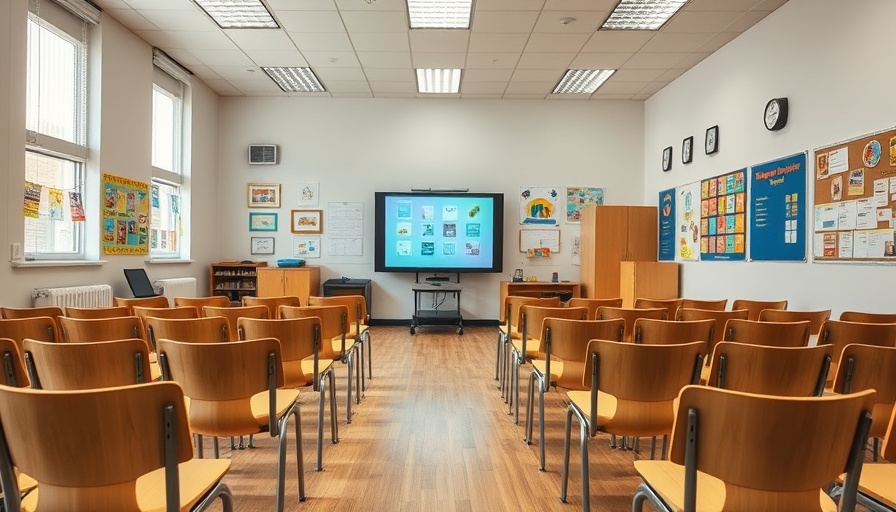
Modern classroom with digital screen for AI literacy in K-12 education.

Integrating AI Into Education: A Bold New Initiative

The landscape of education in the United States is on the verge of a significant transformation with the introduction of a new draft executive order aimed at integrating artificial intelligence (AI) into K-12 education. As this initiative proposes teaching foundational AI literacy and critical thinking skills to students, it poses both exciting prospects and complex challenges that merit examination.

Understanding the Push for AI Literacy

The draft order declared by the Trump administration emphasizes the need for America's youth to become not just users but creators of AI technologies. As the order states, “To ensure the United States remains a global leader in this technological revolution, we must provide our Nation’s youth with opportunities to cultivate the skills and understanding necessary to use and create the next generation of AI technology.” This initiative aims to keep U.S. students competitive in a rapidly evolving technological landscape, especially as countries like China aggressively pursue AI advancements in their own education systems.

A Global Education Race

The urgency behind this educational initiative is apparent, as the construction of a workforce skilled in AI is seen as crucial for maintaining America’s competitive edge. China's recent announcement to integrate AI applications into textbooks and curricula creates pressure on the U.S. education system to respond effectively. In this global race for technological supremacy, the stakes are high, and education is the frontline.

The Proposed Changes and Their Challenges

The draft order outlines comprehensive steps for prioritizing AI education, including public-private partnerships to enhance resources and training for educators. However, amidst the ambitious plans lies an irony: integrating critical thinking skills into an AI-driven curriculum raises questions about potential conflict. A study from Microsoft and Carnegie Mellon University found that trusting AI tools often diminishes critical thinking—a contradiction that educators must navigate carefully in this new landscape.

Potential Risks of Relying on AI

As educators receive training on utilizing AI in classrooms, the reliance on these technologies must be scrutinized. New programmers, for example, are often reported to accept AI-generated solutions without true understanding, which may lead to gaps in fundamental skills necessary for problem-solving. This can hinder innovation rather than promote it. Establishing a strong foundation in critical thinking alongside AI literacy is essential to mitigate this risk.

What This Means for Students and Educators

The implications for students and educators are vast. In preparing K-12 students for a future where AI plays a central role, educators face the responsibility to instill both the skills to implement AI and the ability to critically evaluate its information. This delicate balance may eventually dictate how effectively students navigate an increasingly automated society.

Actionable Steps Forward

To move forward successfully, it’s crucial for educators and policymakers to develop robust strategies that combine AI literacy with an emphasis on critical thinking. Professional development programs should emphasize analytical skills, encouraging students to question and critique AI outputs actively. Furthermore, expanding curriculum resources to incorporate diverse teaching methods will also be instrumental in ensuring a comprehensive education.

Conclusion: The Future of AI in Education

The draft executive order for integrating AI into K-12 education represents a pivotal moment for the U.S. education system as it aligns with broader technological trends worldwide. While the initiative offers promising opportunities for enhancing student skills in the digital age, it also brings forth important challenges that require thoughtful implementation. As educators, policymakers, and communities engage with these changes, prioritizing a balanced approach will be vital to harnessing the benefits of AI while simultaneously fostering critical thinking among students.

Technology & Innovation

4 Views

0 Comments

Write A Comment

*
*
Related Posts All Posts
12.14.2025

Why the Nintendo Switch 2 Has Proven Its Staying Power in 2025

Update Introduction: The Evolution of Handheld Gaming The Nintendo Switch 2 has been on the market for six months, and it’s proving to be a formidable challenger in the realm of handheld gaming. An iterative upgrade from its predecessor, the Switch 2 offers a unique blend of quality and performance that sets it apart from other handheld devices. What makes the Switch 2 not only relevant today but also a model for future gaming systems? Let's delve into its features and capabilities. Unmatched Usability: Nintendo's Signature Charm One of the standout features of the Switch 2 is its usability. Unlike other handhelds that have flooded the market in recent years, the Switch 2 brings forth the classic Nintendo charm and an incredibly seamless transition from handheld to docked play. With a vivid 7.9-inch 1080p display supporting HDR and up to 120 fps, it provides a gaming experience that feels more premium at a reasonable price point of $450 USD. As article reference points out, despite claims that the hardware is less powerful compared to competitors, its intelligent design, including software optimizations thanks to its Nvidia chip, means that it can still deliver impressive gaming performance. Games like Cyberpunk 2077 run surprisingly well on the Switch 2, showcasing that you don’t need top-tier specs to elevate a gaming experience. Content and Backward Compatibility: Experience the Classics With many gamers already heavily invested in their existing Switch libraries, the backward compatibility of Switch 2 is a significant selling point. The ability to play both physical and digital games from the original Switch offers a solid incentive for users to upgrade. As confirmed in numerous reviews, including the one from Stevivor, the Switch 2 runs older titles at improved frame rates and graphics, breathing new life into beloved classics. Notable upgrades particularly resonate with titles that suffered from performance issues in previous generations, especially games like Pokémon Scarlet and Violet, which have undergone substantial fixes, allowing for a much smoother gameplay experience. The Competitive Edge: Nintendo's Market Position Despite the rise of advanced handhelds and gaming PCs, the Switch 2 holds its ground by catering to a unique market that values portability and ease of use without sacrificing performance. Nintendo's strategy of prioritizing game-centric experiences over high-end specifications also resonates with a broad audience that finds joy in classic Nintendo games rather than the latest AAA titles unsuitable for handheld play. The Switch 2 serves as a reminder that while competitors focus on powerful hardware, Nintendo’s emphasis on innovative design and game availability could be the winning formula in the handheld race. Future-Proofing and Price Predictions: The Road Ahead Looking ahead, the competition will continue to pressure Nintendo to adapt its strategies. With emerging technology and shifting market dynamics, it’s likely that most gaming consoles will see price increases in 2026. Presently, Nintendo refrains from jacking up prices on the Switch 2, emphasizing its affordability. However, as noted in the Gizmodo article, the potential RAM shortages could affect future production costs, compelling consumers to consider securing their devices now before inevitable price changes commence. Conclusion: Is the Switch 2 Worth the Investment? The Switch 2 stands out in an oversaturated market by providing a reliable, innovative, and user-focused gaming experience. With its combination of backward compatibility, superior execution of beloved games like Mario Kart World, and ethical pricing, it's positioned as the leading choice for mobile gaming enthusiasts. For families and individuals alike who wish to delve into Nintendo's vibrant world, investing in the Switch 2 seems to be a worthy decision. As we anticipate new game releases in the coming months, the Switch 2 is not just a device—it's a gateway into countless adventures and gaming memories. Call to Action: Don’t miss the chance to elevate your gaming experience; explore the features of the Nintendo Switch 2 and consider making it a part of your gaming setup today. Follow the journey of future game releases and developments to stay updated on what’s next for handheld gaming!

12.13.2025

Why Global Internet Shutdowns Are Becoming a Weapon of Control

Update The Digital Noose: Internet Shutdowns Across the GlobeIn a startling shift from the internet as a free and open platform, governments worldwide are increasingly wielding it as a tool for oppression, cutting off connectivity to control information and quell dissent. From Afghanistan to Tanzania, internet blackouts have become a growing tactic of authoritarian regimes.The Surge of Internet BlackoutsJust two days in September 2025, Afghanistan experienced a total national internet blackout—ordered by the Taliban for unspecified reasons, but timed during an emergency following a devastating earthquake that disrupted resources for millions. This is not an isolated incident but part of a growing pattern. By the end of 2024, a staggering 296 deliberate internet shutdowns were recorded across 54 countries, escalating further in 2025 with at least 244 more incidents. Such shutdowns deny entire populations the ability to communicate, access information, and exercise their rights during critical moments.Implications for Human RightsThe internet's connection to human rights has evolved significantly; it is no longer merely a luxury but a vital infrastructure necessary for a myriad of daily functions—communication, health care, education, and governance. Internet shutdowns infamously enable governments to hide abuses and suppress civil dissent. The data reveals that countries like India, Myanmar, and Iran have been among the worst offenders with hundreds of incidents recorded, signaling a concerning trend where blocking access has become the norm rather than the exception.Reasons Behind the ShutdownsShutdowns can be sparked by various events, often following political unrest or protests. Governments justify these actions as necessary to maintain order or prevent misinformation. For instance, during a summer protest in Panama, authorities implemented regional shutdowns to disrupt gatherings. Similarly, repressive regimes like Belarus and Iran have disabled internet access during election times to minimize opposition visibility and consolidate their power.Technological Countermeasures and Civic ResilienceDespite their prevalence, there are countermeasures available to navigate the threat of shutdowns. Activists and tech-savvy citizens often deploy VPNs, encrypted communication platforms, and mesh networks to maintain connectivity when traditional internet services are disrupted. International discussions, such as those hosted by organizations like Forum 2000, showcase the need for more robust defensive strategies to empower citizens living under repressive regimes.The Global Responsibility to Protect Digital FreedomsThe trend of internet shutdowns poses a considerable challenge for global governments and organizations, which must advocate for internet access as a universal human right. The discourse is shifting; more international bodies recognize the need to push back against authoritarian control over the internet. Increased pressure and actions, such as sanctions against countries that implement widespread blackouts, could shape future policies aimed at ensuring open access to information.Concluding Thoughts: The War for ConnectivityAs we continue navigating the complexities of a digital age, understanding the impact and increasing frequency of internet shutdowns will be critical. The real-life consequences of these actions extend beyond loss of connectivity; they echo the struggle for human rights and freedom of expression against a backdrop of technological control. The international community must amplify its efforts, combining technological innovation with advocacy to preserve digital freedoms and counteract this rising threat effectively.

12.12.2025

Disney Partners with OpenAI: What This Means for Hollywood's Future

Update The Future of AI in Hollywood: A Troubling Transition On December 12, 2025, Disney's announcement of a groundbreaking partnership with OpenAI cast a long shadow over Hollywood’s creative community. The agreement will enable over 200 popular characters from Disney, Marvel, Pixar, and Star Wars to be integrated into OpenAI's Sora platform, which generates audiovisual content. This historic alliance signals a drag into uncertain waters for many artists who fear that their creative rights may be diminished as studios begin to lean toward generative AI technologies. Industry Positives and Negatives: A Fine Line While the advent of AI presents exciting opportunities for storytelling and innovation in content generation, many industry stakeholders express apprehension about this shift. On one hand, this deal could offer tools that help artists experiment and reach broader audiences than ever before. Disney CEO Bob Iger hailed this collaboration as a means to 'thoughtfully and responsibly extend the reach of our storytelling,' emphasizing a commitment to protecting creators. Conversely, unions like SAG-AFTRA and the Writers Guild of America (WGA) have responded with caution, indicating that this development could infringe on intellectual property rights and artists' livelihoods. In their statements, both unions invoked their previous strikes in 2023, which were rooted in the desire for enhanced protections against such unauthorized reproductions through AI platforms. Unions Take a Stand: Vigilance Amid Innovation SAG-AFTRA's leadership has promised to monitor the execution of this agreement closely, prioritizing the protection of its members' voices and images. Their statement underscored the need for industry stakeholders to safeguard against the exploitation of performers in the rapid expansion of AI usage. In a joint note to members, WGA leaders laid bare their concerns about licensing practices around characters that have existed for decades. According to them, this agreement might rationalize a predatory business model that uses creatives’ works as fodder for AI training without offering fair compensation. By forming a proactive stance and advocating for legal recourse against companies that appropriate their content, both unions reaffirm their commitment to ensuring that technology serves artists, not the other way around. A Glimpse into the Future: Navigating the AI Landscape The alliance between Disney and OpenAI comes with both promise and peril. Stakeholders like Roma Murphy, co-chair of the Animation Guild's AI committee, have called attention to the need for a compensation model adaptable to the reality of such AI licensing deals. It raises questions about whether animators and other creatives will receive equitable compensation in exchange for their work being used to feed AI tools. Moreover, this pivotal moment underscores the ongoing industry dialogue about the intersection of technology and creativity. With the rapid advancement of AI capabilities, the industry may need more substantial regulatory frameworks that balance technological innovation with protection for artists’ rights. The Public's Role: Awareness and Advocacy As consumers and fans of storytelling, public awareness can play an important role in supporting creator rights. The advent of user-generated AI content risks commodifying creativity, raising visibility on a grave concern: can fan-produced content exist without undermining the original creators? OpenAI's Sora aims to integrate user-generated videos into platforms like Disney+, igniting a debate about the true value of content and its creators. This exploration is particularly significant at a time when many creators continue to face challenges getting original projects funded through traditional channels. Ultimately, the Disney and OpenAI partnership serves as a wake-up call for consumers and creators alike. As fans of entertainment, it is imperative to support advocates and unions fighting for fair treatment in the evolving landscape of media. The road ahead is laden with challenges, but a collective understanding of these complexities can help steer a course toward a fairer resolution.

Terms of Service

Privacy Policy

Core Modal Title

Sorry, no results found

You Might Find These Articles Interesting

T
Please Check Your Email
We Will Be Following Up Shortly
*
*
*