Add Row
Add Element
cropper
update
Better Living Okanagan
update
Add Element
  • Home
  • Categories
    • Healthy Living
    • Okanagan Life
    • Gardening Tips
    • Community Events
    • Home & Living
    • Modern Economy
    • Technology & Innovation
    • Travel
    • Sustainability
    • Recreation
July 16.2025
3 Minutes Read

Kelowna's Rental Market Jumps Back Above $2,000: What Renters Need to Know

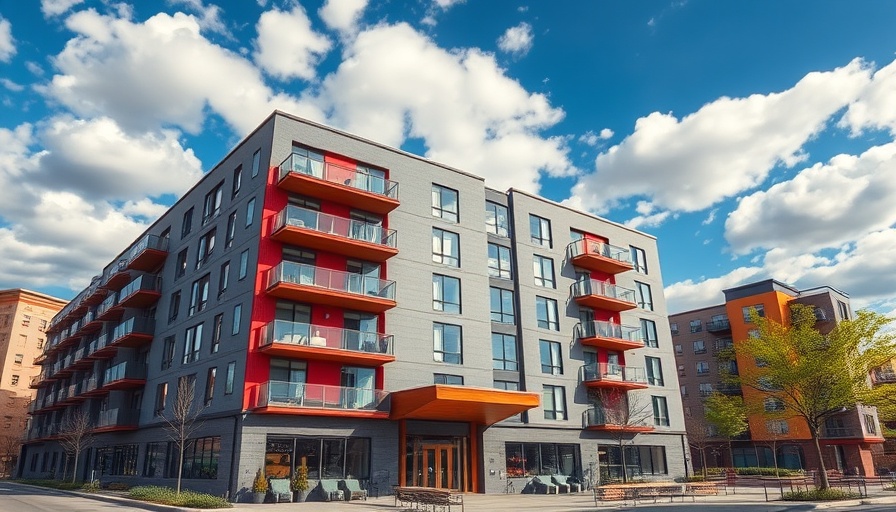
Modern apartment building in Kelowna under clear sky.

Kelowna's Rental Market Surges Above $2,000 Again

The growing trend of skyrocketing rent prices continues to leave many residents in Kelowna grappling with the cost of housing. A recent report from Zumper reveals that the average price of a one-bedroom rental in Kelowna has climbed back to $2,010 per month as of June 2025, echoing the previous record high that many had hoped was a thing of the past.

Understanding the Price Increase: A Deep Dive

In just three months, Kelowna has witnessed not just a rise but a significant 1% jump since dipping below the $2,000 threshold during the previous months. After experiencing a low of $1,850 in March, the rapid increase signals a return to a competitive and challenging rental market.

Meanwhile, when examining the broader landscape, Kelowna holds the unsettling title of experiencing the largest year-over-year rental price increase, at 5.2% from June 2024. It is essential to put this in context: last summer, the city saw an alarming 20% increase, indicating that while the market may seem slightly stabilized compared to that volatile period, those seeking rentals will still face steep costs.

Kelowna’s Place Among Canada’s Most Expensive Cities

In terms of rental prices, Kelowna stands shoulder to shoulder with other major Canadian cities like Vancouver and Toronto. It ranks as the sixth most expensive city for one-bedroom rentals, closely followed by cities such as Victoria and Halifax. This positioning might not be a surprise given the city’s vibrant appeal, but it raises concerns for local renters who find their budgets stretched ever thinner.

The Realities for Renters: What Can Be Done?

For homeowners, this spike in rental prices might signal a robust real estate market, but for renters, it poses a substantial challenge. Finding affordable housing options in this climate requires strategic planning and often necessitates sacrifices in terms of space or location.

@Michael Donovan, an experienced journalist, emphasizes the importance of understanding one’s priorities when navigating this market. "Renters need to weigh their options—whether it’s looking towards less sought-after areas or considering shared accommodations. Networking within the community can also yield hidden opportunities away from the main listings that inflate prices."

Broader Economic Trends Affecting Local Rentals

The jump in rental prices correlates with numerous broader economic factors, including inflation and rising construction costs that have put a damper on new housing developments. Competition for rental units is intensifying as more individuals flock to Kelowna for its lifestyle offerings—a tug-of-war that often favors the landlords in negotiation scenarios.

Expert insights suggest that economic forecasts show a mixed bag for renters in 2025, and while some believe a correction in the housing market is due, others advise renters to stay vigilant and proactive.

A Final Thought: The Call for Community Solutions

A thriving community hinges on affordable living situations. Advocates for affordable housing are urging local governments and community organizations to explore creative housing solutions. These could include increased support for non-profit housing developments, subsidies for low-income families, and campaigns encouraging the construction of more rental units.

While current rental prices in Kelowna continue to rise, the voice of concerned citizens should resonate strongly in local discussions for equitable housing solutions. Renters are encouraged to engage with local initiatives or housing advocate groups seeking to facilitate dialogue and positive developments.

The bottom line for both homeowners and renters in Kelowna is this: the housing landscape is evolving quickly, and staying informed while advocating for sustainable practices and policies is essential. Joining community initiatives or contributing ideas might help bend the curve toward a more affordable future for all.

Home & Living

1 Views

0 Comments

Write A Comment

*
*
Please complete the captcha to submit your comment.
Related Posts All Posts
03.27.2026

Wilden’s Phase 3: Redefining Community Living in the Okanagan

Update Wilden Community: A Vision for Sustainable LivingThe Okanagan's largest master-planned community, Wilden, is embarking on a transformative journey into its third phase of development, aiming not just to meet the housing needs of a growing population, but to create a more sustainable and connected community. Spanning 1,447 acres of stunning landscape between Okanagan Lake and Glenmore Road, Wilden is committed to preserving natural beauty while fostering a livable environment for its residents.A Diverse Housing Mix to Meet Modern DemandsAs Phase 3 unfolds, it introduces a refreshing mix of residential options: 326 single-family homes, 128 duplexes, 444 townhouses, and 148 condominiums. This evolution responds to changing housing preferences, appealing to a broader demographic that includes young families, professionals, retirees, and downsizers. Johanna Eger, the marketing manager, highlighted that these changes reflect current market demands, moving away from a predominantly single-family setup to a more inclusive model that emphasizes community connection and accessibility.Preserving Nature While Building CommunityA defining feature of Wilden is its commitment to keep approximately 50% of its land in a natural state, creating a unique balance between urban development and environmental stewardship. This dedication to preserving natural habitats ensures that outdoor access and wildlife movement remain integral parts of daily life. Phase 3 is poised to enhance this balance with more interconnected parks, trails, and open spaces, integrating nature into the very fabric of community life.Improving Connectivity Through Thoughtful DesignThe revised plans for Phase 3 also emphasize walkability and cycling, which aligns with modern urban planning trends that prioritize sustainable transportation options. Through the development of an 8-kilometre scenic drive, residents will experience easy access to essential amenities, blending accessibility with enjoyment of the picturesque surroundings. This approach not only reduces reliance on vehicles but fosters a vibrant, healthy community culture.Community Amenities: Enhancing Daily LifeFuture residents will appreciate new amenities set to define life in Phase 3, including various parks - from community parks to pocket parks that cater to different lifestyle needs. The proposed developments will also include a centrally located market square, creating a gathering space where neighbors can connect and businesses can flourish. These features aim to create a vibrant social fabric, emphasizing the importance of community in contemporary living.Looking Ahead: A Holistic Community VisionAs Wilden prepares for this next phase of development, the overarching mission remains not just about building homes, but about shaping a sustainable future where community and nature interact harmoniously. By blending residential options with extensive green spaces and community-focused amenities, Wilden strives to create a neighborhood that prioritizes well-being, connection, and environmental mindfulness.Understanding these developments can reveal significant insights into what potential homeowners and renters can expect in the evolving Okanagan market. Staying informed about such community designs can guide decisions on where to live or invest, ideally leading to a choice that reflects both personal desires and a sense of responsibility towards the environment.

03.25.2026

How Supply-Demand Issues Are Transforming Luxury Retail Spaces in Europe

Update Rethinking Retail: Supply-Demand Dynamics in Europe The retail landscape in Europe is currently experiencing a seismic shift, driven by supply and demand imbalances that are compelling luxury brands to reassess their strategies. According to a recent report by Cushman & Wakefield, significant supply-demand issues are reshaping competition among retailers, prompting them to rethink their physical store locations. This has never been more crucial as brands grapple with increasing consumer expectations and a complex market environment. The Race for Retail Space Luxury conglomerates like LVMH, Richemont, and Kering accounted for an impressive 30% of all new store openings within Europe in 2025. With a total of 96 luxury retailers setting up shop last year alone, this trend underscores that the race for prime retail space is intensifying. Major European cities are experiencing a notable shortage of desirable rental spaces, thus pushing brands into fierce competition for visibility. Numerous brands are opting to take strategic positions in both affluent and adjacent neighborhoods, thereby trying to balance visibility with managing operational costs. This means that iconic areas are witnessing a saturation of brand presence while simultaneously giving rise to interest in secondary locations. The result? A dynamic ecosystem where luxury retail is not only a stimulating experience for consumers but a significant driver of market competition. Luxury Retail Trends: What's Driving Change? The emergence of experiential retailing is another crucial factor here. Brands are seeking to create immersive environments that extend beyond the impulse to purchase. The flagship stores, positioned as the ultimate representation of a luxury brand, must now engage consumers emotionally. Retail spaces have morphed from simple sales points to lavish environments with interactive experiences that resonate with consumers' desires and lifestyles. This movement can be linked to changes in consumer behavior, as evidenced by the increasing popularity of luxury items showcased on social media platforms like Instagram. Many consumers today prioritize experiences over commodities, driving brands to create visually appealing and interactive shopping environments. All these factors significantly contribute to how luxury brands approach their operational strategies in retail. Competition Fuels Innovation With the influx of new brands and the strategic positioning of existing ones, competition among luxury retailers will only amplify. The growing number of flagship stores means that brands must continually innovate to capture consumer attention and convince them of their brand's distinct value. A report by nss magazine illustrates that companies are now investing in their store experiences, aiming to turn visits into engaging adventures rather than ordinary transactions. As a result, brands such as Chanel have been drawing massive crowds to their openings, demonstrating the power of well-designed customer experiences. This isn’t just about what is sold; it’s how shopping is framed that will dictate success in this competitive landscape. Future Predictions: The Road Ahead Looking ahead, the luxurious retail environment in Europe is poised for significant transformation. Experts suggest brands will continue to integrate technology within their physical locations, enhancing customer experiences through Augmented Reality (AR) and omnichannel shopping options. Innovation is paramount as luxury brands strive to remain accessible yet exclusive, an unlikely balance that will shape their retail strategies in the coming years. The growth of non-luxury spaces is also indicative of a broader trend: as luxury spaces become saturated and rental costs rise, there may be a shift towards more diverse retail formats that offer unique shopping experiences without the premium price tag. As these changes unfold, some luxury brands may even venture into unexpected collaborations with other markets, resonating deeply with modern consumers who value both ethics and aesthetics. Take Action: Exploring Opportunities in Retail Design For home renovators interested in retail or seeking inspiration from current market dynamics, these trends present opportunities to explore innovative retail designs that blend aesthetics and functionality. Understanding how luxury brands are crafting immersive experiences can provide insights and ideas applicable to home renovations or commercial space design. Discover how these principles can enhance your own spaces—in terms of visual appeal as well as engagement.

03.18.2026

Kelowna Apartment Rents: Are They Finally Stabilizing After a Steep Decline?

Update Are Apartment Rents in Kelowna Making a Comeback? As the Kelowna rental market undergoes a transformation, recent reports indicate that the long-standing decline in apartment rents may be coming to an end. In February, the median rent for a one-bedroom apartment rose slightly to $1,700, a modest increase from $1,690 in January, which marked its lowest point in years. This fluctuation signals a potential stabilization after the steep drop from a record high of $2,010 in August 2025. Vacancy Rates: A Shift in the Rental Landscape The surge in available rental units has been dramatic. In 2023, Kelowna faced a minuscule rental vacancy rate of just 1.3%. However, due to focused efforts by governmental bodies to alleviate the housing crisis—through the introduction of tax breaks and density bonuses—the city's rental supply has surged dramatically, leading to a vacancy rate that climbed to 6.8% this year. This influx of new apartments has compelled landlords to provide incentives such as one or two months of free rent and move-in bonuses like free parking or Wi-Fi to attract tenants. The Broader Implications: What It Means for Potential Renters For renters in Kelowna, these changes signify greater accessibility. Previously, the urgency and competition for available rentals made it difficult for many to secure housing. As options increase, renters will find themselves with the luxury of choice, allowing them to compare buildings and amenities. This paradigm shift is beneficial for those contemplating a move to Kelowna, as they can explore different neighborhoods and determine what suits their lifestyle best. Understanding the Market: Rent Trends and Future Predictions However, it's vital to note that a single month's increase in rent doesn’t indicate a consistent upward trend. Real estate experts caution that the market's future remains uncertain, with various factors influencing prices. While one-bedroom rents are exhibiting a slight increase, two-bedroom apartments have seen a decrease, indicating diverse trends across various segments of the rental market. Impact on the Home Buying Market Interestingly, the rental market also significantly influences the broader housing sector. As renting becomes more viable, individuals may opt to delay home purchases. This behavior shifts pressure away from the housing market, particularly for entry-level homes and condominiums. A more positive rental outlook could mitigate the urgency for potential home buyers, ultimately affecting the dynamics of housing prices in the region. Moving Forward: Observations for Investors and Landlords For investors, the changing landscape presents both challenges and opportunities. With a surge in rental options, landlords may face greater competition, requiring them to enhance property offerings and pricing strategies to attract tenants. Balancing profitability with affordability will be fundamental in retaining existing tenants and appealing to prospective renters. The Current State of Rental Prices In a broader context, Kelowna currently ranks as the 12th most expensive city in Canada for renting an apartment. The current median rental prices indicate a slow recovery, though they remain significantly lower than peak levels of previous years. For example, two-bedroom apartments are still seeing fluctuations, averaging $2,100 in February. Conclusion: Keeping a Close Eye on the Trends In summary, while the current uptick in one-bedroom rents can be seen as a positive sign for landlords, caution is warranted, as trends fluctuate within the rental market and the broader housing ecosystem. No definitive conclusion can be drawn yet; it will take several months to accurately assess whether this increase marks a permanent shift or merely a blip in an otherwise declining market.

Terms of Service

Privacy Policy

Core Modal Title

Sorry, no results found

You Might Find These Articles Interesting

T
Please Check Your Email
We Will Be Following Up Shortly
*
*
*