Add Row
Add Element
cropper
update
Better Living Okanagan
update
Add Element
  • Home
  • Categories
    • Healthy Living
    • Okanagan Life
    • Gardening Tips
    • Community Events
    • Home & Living
    • Modern Economy
    • Technology & Innovation
    • Travel
    • Sustainability
    • Recreation
April 23.2025
3 Minutes Read

Mastering Seed Starting: The Essential Role of Water

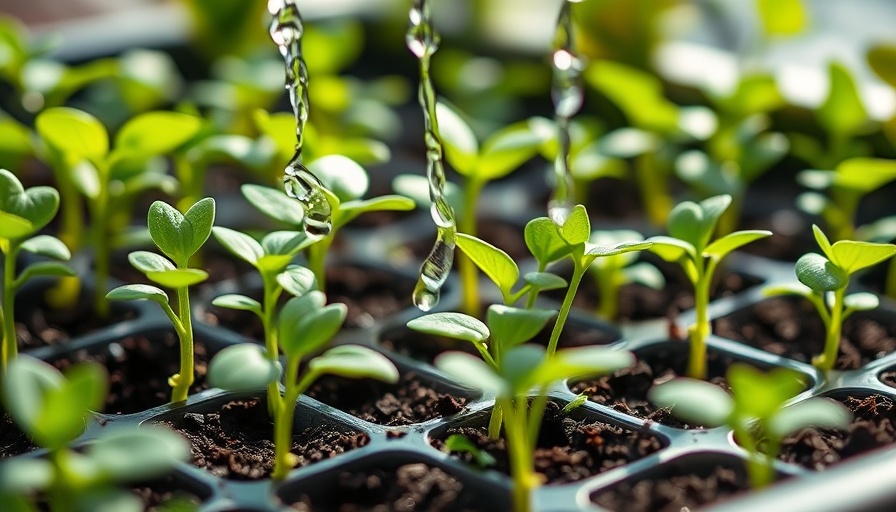
Young seedlings being watered, highlighting the importance of water for seed starting.

The Crucial Role of Water in Seed Starting

Water is the lifeblood for plants, especially during their early stages of growth. Without it, seedlings can falter or even perish. Understanding how to manage water effectively when starting seeds is not merely a gardening tip but a necessity for every homeowner wishing to cultivate a vibrant garden. Yet, there are common pitfalls—especially overwatering, which is a frequent problem among novice gardeners.

In Seed Starting 101: Importance of Water, the discussion dives into how water affects seedling health, exploring key insights that sparked deeper analysis on our end.

As the video Seed Starting 101: Importance of Water highlights, the balance of moisture is critical. Too much water can suffocate seedlings and lead to root rot, while too little can stunt their growth or kill them. Thus, incorporating trays with proper drainage holes for planting can significantly enhance your seed starting efforts, allowing excess water to escape and maintaining the right balance.

Establishing a Watering Schedule

How often should you water your seedlings? It can depend largely on your home's conditions, such as humidity and temperature. For many, watering once or twice a day is sufficient. Monitoring the moisture level in the soil is essential. Recommendations suggest using your finger to gauge how dry the top inch of soil is; if it feels dry, it's time to water.

Additionally, remember that different types of seeds may have different water needs. However, a general rule of thumb is to keep seedlings uniformly moist. That said, as the plants grow and develop true leaves, their water requirements may increase.

The Benefits of Self-Watering Systems

If you’re looking for convenience while ensuring your plants remain healthy, a self-watering system could be the perfect solution. These systems can provide several days' worth of hydration without any effort on your part—some can keep your seedlings properly watered for up to ten days!

A self-watering setup simplifies the process and takes the guesswork out of watering. Homeowners can rest easy knowing that their seedlings are receiving a consistent moisture level, promoting healthier and more resilient growth.

Addressing Common Seedling Issues

Both overwatering and poor drainage are more than mere inconveniences; they can set your gardening efforts back significantly. Poor drainage can lead to water pooling at the bottom of the trays, which suffocates roots. Proper soil selection is crucial—opt for a lightweight, well-draining seed starting mix, typically made from ingredients like peat moss or coconut coir.

Another common issue is damping-off, a fungal disease that can cause seedlings to wilt and die. Ensuring good air circulation around your plants and watering them correctly can help minimize the risk of this issue.

Inspirational Gardening Stories

Many seasoned gardeners have shared their tales of trials and successes when it comes to nurturing their seedlings. One community member, Amy from Colorado, recounts how her experience with self-watering pots transformed her approach to gardening. “Before, I was always worried about my seedlings drying out whenever I went away for a weekend. Now, thanks to my self-watering system, I can enjoy my time away without worry,” she explains.

This illustrates that while gardening can be a challenge due to its inherent unpredictability, employing the right techniques can foster both growth and confidence in garden caretakers.

Practical Tips for New Gardeners

For those just starting their seed starting journey, here are some actionable insights:

  • Start small: Experiment with just a few seed varieties to understand their specific watering needs.
  • Invest in quality seeds: High-quality seeds often have higher germination rates and yield better results.
  • Monitor growth closely: Regularly inspect your seedlings for signs of distress or inadequacies in their environment.
  • Document your progress: Keeping a garden journal can help you evaluate what works and what doesn’t in real-time.

Final Thoughts on the Importance of Watering

In summary, managing water effectively is critical in seed starting. By keeping seedlings moist without overwatering, utilizing self-watering systems, and employing good drainage techniques, homeowners can foster lush, healthy gardens. As gardeners, our role is to adapt and learn every step of the way, rooted in the foundational importance of water.

Remember that gardening is a journey. Every plant you cultivate teaches you something new about patience, observation, and celebration in growth. So whether you're a novice or a pro, remember the essential key: keeping that balance in moisture can lead to bountiful harvests and flourishing plants.

Gardening Tips

3 Views

0 Comments

Write A Comment

*
*
Please complete the captcha to submit your comment.
Related Posts All Posts
03.30.2026

Unlocking the Secret of Vermiculite for Better Seed Germination!

Update Unlocking Seed Germination: The Power of Vermiculite For avid gardeners, seed germination is a crucial first step in cultivating a thriving garden. Vermiculite, a naturally occurring mineral, has emerged as a game-changing component in the gardening world as it enhances the germination of seeds. Historically, vermiculite has been used for insulation and as a lightweight filler in various applications, but its benefits in gardening are garnering significant attention. Understanding how and why vermiculite works can help you cultivate a more successful garden.In the video, Why Vermiculite is the Secret to Perfect Seed Germination!, we explore the remarkable attributes of this mineral and how it enhances the seed germination process. Why Vermiculite is a Gardener’s Best Friend Vermiculite is lightweight, sterile, and holds moisture exceptionally well, making it ideal for seed germination. Its unique properties allow it to retain water and nutrients while also providing excellent aeration to plant roots. This balance is essential for seeds, as overwatering can lead to rot, while dry conditions can prevent germination altogether. Creating the Perfect Environment for Seeds When planting seeds, creating the right environment is key to their success. Vermiculite provides a well-aerated medium that allows seeds to sprout without being suffocated by soil compaction. Not only does it encourage strong root systems, but the moisture retention capabilities of vermiculite help maintain consistent humidity. When combined with a quality seed-starting mix, vermiculite can significantly improve germination rates. Future Insights: Revolutionizing Home Gardening As sustainable gardening practices evolve, the use of materials like vermiculite represents a positive trend. With climate change and resource scarcity, finding effective ways to support plant growth using fewer resources becomes essential. Vermiculite is not only effective but is also lightweight and easy to source, positioning it as a go-to ingredient for gardeners looking to diminish their environmental footprint. Actionable Tips for Using Vermiculite Effectively To maximize your results when using vermiculite, consider these actionable tips: Mix it with Soil: Combine vermiculite with your regular potting soil to improve moisture retention and aeration. Perfect Ratios: Aim for a ratio of 1 part vermiculite to 3 parts soil to ensure optimum results. Monitor Water Levels: Keep an eye on the moisture levels; if the vermiculite is dry, it’s time to water. By integrating these habits into your gardening routine, you will cultivate healthier seedlings and, consequently, a better garden. Vermiculite vs. Other Seed Starting Materials While there are many options available for seed starting, vermiculite stands out against alternatives like peat moss or perlite. Unlike peat moss, which becomes compacted and can wick away moisture, vermiculite remains loose and promotes aeration. Perlite, while also providing aeration, does not have the moisture-retaining properties that vermiculite possesses. This makes vermiculite a superior choice for avid gardeners eager for successful seed germination. Common Misconceptions About Vermiculite Many gardeners may have reservations about using vermiculite due to misconceptions regarding its safety or effectiveness. One common myth is that vermiculite contains harmful asbestos; this is misleading. Today’s commercial vermiculite is safe, free from asbestos, and provides extensive benefits for gardening. Understanding the truth behind vermiculite can help you make informed decisions as you embark on your gardening journey. Local Experts Weigh In: Advice from Okanagan Gardeners For those in the Okanagan region, local gardening experts recommend incorporating vermiculite into your seed starting routine. Not only does it facilitate seed germination, but it also aligns with sustainable practices favored in the community. By using a blend of local knowledge and innovative materials like vermiculite, gardeners in the Okanagan can enjoy fresher veggies and more robust plants. Conclusion: Embrace Vermiculite in Your Gardening Practice The video, Why Vermiculite is the Secret to Perfect Seed Germination!, highlights the immense benefits of this simple yet effective material. As you embark on your gardening endeavors, remember that using vermiculite can lead to healthier plants and more fruitful yields. Don't hesitate to experiment with this amazing resource in your next planting cycle!

03.28.2026

Unlock Success: The Vital April Planting Window for Okanagan Gardeners

Update Understanding the Optimal Planting Window In the Okanagan Valley, timing can make all the difference between a bountiful harvest and a disappointing yield. The planting window in April is crucial as it sets the tone for the entire growing season. During this period, local gardeners have a unique opportunity to prepare and plant various crops that thrive in the region's distinct climate. The right combination of soil temperature, moisture levels, and sunlight is vital for germination and growth.In THE April Planting Window You’re Missing, the discussion highlights the importance of mastering this critical period for optimal gardening success, inspiring Okanagan gardeners to take proactive measures in their planting strategies. Why April Matters for Okanagan Gardeners April is a transition month, where the chill of winter fades and spring begins to bloom. Gardeners should pay close attention to the weather forecasts and the last frost dates in their specific areas. In the Okanagan, many farmers and home gardeners commonly plant seeds such as peas, lettuce, and radishes during this time frame. These crops not only quicken the excitement of the growing season but also provide quick returns on efforts, as they mature within weeks. Strategic Crop Selection for Success Choosing the right crops is paramount for maximizing productivity. Peas are an excellent option for early planting; they can withstand cooler temperatures and usually germinate quickly. Mint, arugula, and spinach also thrive in the April environment. Conversely, slow-growing crops like tomatoes should be started indoors and transplanted later to ensure they have enough warmth to flourish. Soil Preparation: The Foundation of Healthy Growth As you gear up for planting, it’s crucial to prepare your soil adequately. Testing soil pH and nutrient levels can provide insights that allow you to amend your garden for optimum growth. Incorporating organic matter such as compost not only improves soil structure but also enhances its nutrient-holding capacity, setting your plants up for success. Gardening Techniques for Home Gardeners Utilizing raised beds or row covers can help to retain warmth and protect seedlings from potential April frosts. Additionally, intercropping—planting complementary crops in proximity—can maximize space and deter pests naturally. Simple techniques like these can significantly improve yields and keep gardens healthy throughout the growing season. Watering Strategies: Balancing Moisture Needs April's weather can be unpredictable with erratic rainfalls. Therefore, establishing a consistent watering schedule is essential. Drip irrigation systems or soaker hoses are efficient ways to maintain soil moisture, helping plants establish strong roots early in the summer. Pay attention to the specific moisture requirements of your crops to avoid over- or under-watering, which can negatively impact growth. Emotional Connections: The Joy of Gardening Gardening is not just about the end product; it's about the journey. There's a therapeutic quality to nurturing plants, getting your hands in the soil, and witnessing the fruits of your labor. For many Okanagan residents, gardening represents a way to connect with nature, promote sustainability, and engage with the community. Sharing tips with neighbors, participating in local farmers' markets, or exchanging seeds builds social bonds that enrich life in the valley. Long-term Sustainability Through April Planting The ecological benefits of planting in April extend beyond personal gardens. Early crop rotation encourages soil health and reduces pest cycles, promoting a sustainable gardening practice that benefits both gardeners and the environment. Emphasizing local food sources strengthens community ties and promotes a sustainable local economy. The Future of Gardening in Okanagan The rise of gardening enthusiasts in recent years suggests a renaissance in growing local produce. As climate conversations swell, more people are turning to their backyards. Investing time into learning about seasonal planting, particularly understanding the April window, can lead to higher yields and healthier lifestyles. The knowledge empowers individuals to take control of their food sources, supporting the overarching goals of sustainability and community resilience in the Okanagan. In THE April Planting Window You’re Missing, the discussion highlights the importance of mastering this critical period for optimal gardening success, inspiring Okanagan gardeners to take proactive measures in their planting strategies.

03.25.2026

5 Proven Ways to Boost Your Soil's Health for a Thriving Garden

Update Enhancing Your Garden: The Importance of Soil Health For Okanagan gardeners, understanding how to boost soil health is key to thriving gardens. Healthy soil not only nurtures plants, but it also supports the entire ecosystem, attracting beneficial organisms while minimizing pests. With a few proven methods grounded in soil science, you can transform your garden into a flourishing sanctuary.In '5 Proven Ways to Boost Your Soil’s Health (Backed by Soil Science),' the discussion dives into key practices that can enhance soil vitality, exploring insights that are particularly relevant for local Okanagan gardeners like you. 1. Embrace Organic Matter One of the most effective ways to enhance soil health is by incorporating organic matter. Natural materials such as compost, well-decomposed leaves, or manure enrich the soil with vital nutrients while improving its structure. When organic matter breaks down, it releases nitrogen, phosphorus, and potassium—essential elements for plant growth. Furthermore, these materials help retain moisture, reducing the need for frequent watering. For gardeners in the Okanagan, where summers can be dry, this moisture retention is particularly beneficial. 2. Practice Crop Rotation Crop rotation is a time-honored technique that can significantly improve soil health. By rotating your crops each season, you prevent the depletion of specific nutrients and reduce pest and disease buildup in the soil. For example, planting legumes like beans and peas can enrich the nitrogen content in the following season's crops. This practice not only maintains nutrient balance but also promotes biodiversity, which can lead to a more resilient garden. 3. Encourage Beneficial Microorganisms Soil is teeming with life, including beneficial microorganisms that play a crucial role in nutrient breakdown and overall plant health. To encourage these microorganisms, consider minimizing the use of chemical fertilizers and pesticides. Instead, focus on organic fertilizers that feed the soil ecosystem. Adding biochar—charcoal created from organic matter—can also improve microbial activity, providing a sustainable way to enhance soil structure and nutrient availability. 4. Cover Crops: Protecting the Soil Using cover crops, such as clover or vetch, during the off-season can protect and enrich your soil. These plants prevent erosion, suppress weeds, and add organic matter back into the soil when they decompose. Cover crops also enhance soil aeration and improve water retention. By planting cover crops, Okanagan gardeners can maintain soil fertility year-round, ensuring a robust garden when spring returns. 5. Amend Soil pH The pH level of your soil can significantly impact plant health. Most crops thrive in slightly acidic to neutral pH levels (around 6.0 to 7.0). Testing your soil pH can help you determine if you need to amend it. If the soil is too acidic, adding lime can help reduce acidity. Conversely, if it's too alkaline, sulfur may be required. Maintaining the right pH ensures that plants can effectively absorb nutrients from the soil, promoting good growth. Building a Sustainable Garden As Okanagan gardeners adopt these strategies, they also contribute to a larger movement toward sustainable gardening practices. By enriching soil health, gardeners can reduce the need for chemical inputs and help decrease environmental degradation. These efforts not only benefit individual gardens but also have a collective impact on local biodiversity and ecosystem health. Join the Movement To become part of the effort to support local agriculture and nature, consider joining community gardening initiatives or workshops focused on sustainable practices. Sharing knowledge and best practices with fellow gardeners can make a significant difference.

Terms of Service

Privacy Policy

Core Modal Title

Sorry, no results found

You Might Find These Articles Interesting

T
Please Check Your Email
We Will Be Following Up Shortly
*
*
*