Add Row
Add Element
cropper
update
Better Living Okanagan
update
Add Element
  • Home
  • Categories
    • Healthy Living
    • Okanagan Life
    • Gardening Tips
    • Community Events
    • Home & Living
    • Modern Economy
    • Technology & Innovation
    • Travel
    • Sustainability
    • Recreation
April 28.2025
3 Minutes Read

Prepare for Phase 3: What Every Crypto Investor Should Know

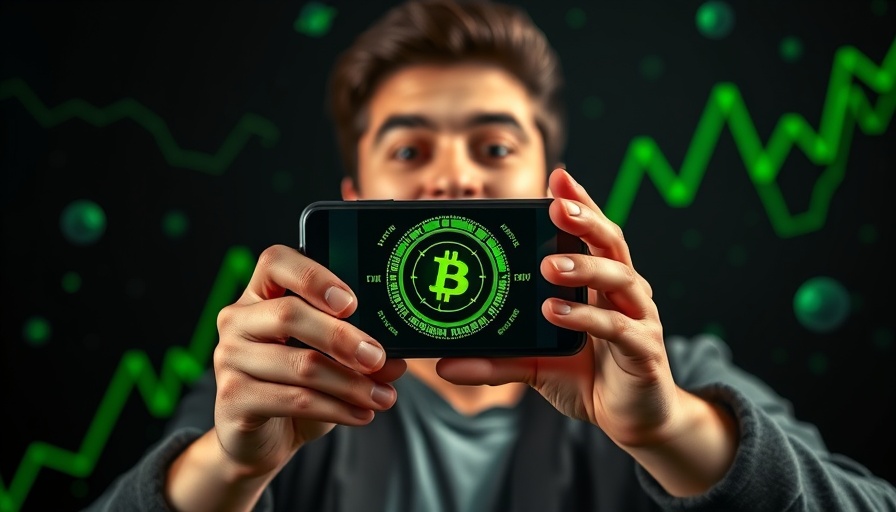
Excited person showcasing crypto phases on smartphone.

Understanding Phase 3: What It Means for Crypto Investors

In the fast-paced world of cryptocurrency, developments are happening in real-time, thus creating both excitement and uncertainty among investors. The recent discussion surrounding Phase 3 of the crypto market is pushing many to prepare for significant changes. This phase signifies not just a potential spike in prices, but also a change in the market's structure. Holding assets during this critical period may require strategic adjustments to maximize investment outcomes properly. Let's delve into what this means for you and your wallet.

In ALERT! 🚨 Prepare For PHASE 3! [Crypto Pump Loading!], the discussion dives into the transformative trends within the cryptocurrency market, exploring key insights that sparked deeper analysis on our end.

The Current Economic Landscape: A Crucial Context

Before diving deep into the crypto markets, it's essential to consider the broader economic environment. Global events—be it economic recessions, inflation rates, or evolving regulations—can significantly affect cryptocurrency valuations. The current phase is emerging from shadows cast by these macroeconomic factors. Recognizing how these dynamics interplay with crypto can empower you to make timely decisions regarding buying and selling.

Exciting Opportunities Ahead: Predictions for Phase 3

As Phase 3 unfolds, analysts and enthusiasts alike share enthusiasm for potential price increases fueled by widespread adoption. Many assert that technological advancements and growing acceptance of blockchain as a credible technology will drive this. Coins that previously had been dormant could gain new life as a surge of interest pushes them into the spotlight—this is where an astute investor can find unique opportunities.

Challenges Worth Considering: Risk Management

While optimism is warranted, investors must remain vigilant regarding the risks linked with this new phase. Market corrections, regulatory scrutiny, and cybersecurity threats are realities that should not be overlooked. Strategies to mitigate these risks, such as diversifying portfolios or employing safe trading practices, can prove pivotal as the landscape shifts underfoot.

Insights from Industry Experts

In reviewing discussions from experts in the field, there emerges a consensus that understanding the technical aspects of blockchain and cryptocurrencies can fortify decision-making. Many cryptocurrency influencers discuss trends and technologies that could redefine operational frameworks in the market. Engaging with such content not only informs you but imparts a community sense where collective knowledge becomes a powerful tool for navigating the crypto waters.

Preparing for Change: How to Get Ahead

Critical to thriving during the impending shifts is adopting proactive habits. Monitoring market fluctuations, understanding upcoming technological advancements, and staying informed about regulatory changes is an essential exercise for any crypto investor. Investors should invest time in building their knowledge through reputable sources and community interactions to prepare effectively.

In conclusion, while the landscape of cryptocurrency can be turbulent, upcoming phases like this bring with them tremendous potential for gains and development. It invites investors to innovate, learn, and redefine their strategies. Empower yourself with knowledge, stay informed about current events, and be ready to pivot as Phase 3 unfolds. By doing so, you can position yourself not just merely as a participant but as a savvy player in the crypto arena.

As we look ahead, remember that staying engaged in the conversations around cryptocurrencies can yield significant insights—the more informed you are, the better your decisions will be in this dynamic environment.

Modern Economy

5 Views

0 Comments

Write A Comment

*
*
Please complete the captcha to submit your comment.
Related Posts All Posts
03.30.2026

JetBlue Airways Raises Checked Bag Fees: What Travelers Need to Know

Update JetBlue Airways Increases Checked Baggage Fees Amid Rising Fuel Prices In a decisive move reflecting the current state of the airline industry, JetBlue Airways has announced an increase in their checked baggage fees in response to soaring fuel prices, largely attributed to ongoing geopolitical tensions, particularly the conflict in Iran. Starting immediately, travelers can expect to pay an additional $4 during off-peak travel times and $9 during peak periods for the first checked bag. Understanding the Context of Fee Increases This adjustment isn't isolated; it's part of a broader trend impacting airlines worldwide as operational costs continue to climb. The spike in fuel prices—averaging $4.57 a gallon in several major U.S. cities—is a chief factor influencing JetBlue's pricing strategy. Since the U.S. and Israel's military actions in Iran began, fuel prices have skyrocketed by nearly 83%, presenting one of the most significant challenges airlines have faced in recent years. What Does This Mean for Travelers? The increase in baggage fees primarily affects economy passengers traveling within the U.S., Caribbean, and Latin America, bringing costs from $35 to $39 for off-peak flights and from $40 to $49 during peak travel times such as summer vacations and holidays. Additionally, fees can swell to $54 if checked baggage is not added before airport check-in, representing a notable increase from past years. Industry-Wide Implications: Are More Increases on the Horizon? JetBlue’s actions may set a precedent for other airlines. Historical trends suggest that when one airline raises fees, competitors often follow suit. Notably, major airlines like American Airlines, United Airlines, and Delta Air Lines have not yet confirmed whether they will implement similar increases. However, industry experts indicate that unless fuel prices stabilize, passengers may see continued shifts in airline pricing strategies. Addressing Customer Backlash Airlines, including JetBlue, face criticism whenever they raise fees, especially in a climate where airline costs are already soaring. One of JetBlue's spokespeople expressed the company's commitment to balancing operational costs while trying to keep airfares competitive. They emphasized that while fee adjustments are rarely popular, such measures are necessary to maintain service levels that customers appreciate, including complimentary snacks and high-speed Wi-Fi. Emerging Trends in Airline Pricing As airlines adjust to the new economic environment, they may also explore other ways to increase revenue. Higher ticket prices are certainly part of this equation; reports indicate that fares for certain international routes have dramatically surged—some reaching over $1,900 just 24 hours before departure, compared to prices of around $830 before the conflict escalated. This reflects both seasonal increases and heightened demand from travelers. Projected Future: What Travelers Need to Know Given the current trends, travelers should prepare for further changes in airline pricing. United Airlines’ CEO Scott Kirby mentioned that sustaining necessary price adjustments could become a challenge if fuel prices remain elevated, potentially leading to significant additional expenses for airlines. This could mean price increases for not just baggage fees, but for overall travel costs. As an informed traveler, staying abreast of these changes is crucial. Subscribers to loyalty programs may still find ways to avoid these fees, as many airlines offer exemptions to frequent flyers and members of co-branded credit card programs. Conclusion: Taking Action as a Consumer In navigating the evolving landscape of air travel pricing, it is essential for passengers to consider their options and stay informed about ongoing fee adjustments. By proactively managing your travel plans and understanding the implications of these changes, you can better prepare for any potential shocks to your travel budget.

03.30.2026

Why Bitcoin Could Drop Below $50K Soon: Key Insights for Investors

Update Bitcoin's Trajectory: Understanding Market Trends As the world of cryptocurrency continues to expand, Bitcoin, often hailed as the pioneering digital currency, has recently sparked debates among investors regarding its stability and future. With opinions ranging from bullish optimism to cautionary forecasts, it's essential to dissect the elements influencing Bitcoin's potential dip below the $50,000 mark. The underlying factors include market sentiment, global economic conditions, and regulatory changes, all of which play significant roles in Bitcoin's price fluctuations.In 'Bitcoin Will Drop Below $50K Unless... [Watch Today],' the discussion dives into the current state of Bitcoin’s market, prompting an analysis of the substantial factors influencing its future trajectory. The Impact of Market Sentiment on Bitcoin Market sentiment is a powerful force in the cryptocurrency realm. Fear and greed often dictate price movements, especially for a volatile asset like Bitcoin. Recent discussions among analysts suggest that a bearish outlook could lead to a price drop, particularly if traders react swiftly to negative news or shifts in the financial landscape. The influence of social media on market sentiment is another aspect, where public perception can amplify or dampen enthusiasm for Bitcoin, driving prices lower than expected. Global Economic Factors: Interest Rates and Inflation With global economies navigating post-pandemic recovery, inflation rates and central bank policies also heavily impact Bitcoin's value. Interest rates influence investment decisions across the board; when rates rise, investors might turn away from riskier assets like Bitcoin for safer options with guaranteed returns. Thus, the interplay between inflation, interest rates, and Bitcoin’s attractiveness as an investment warrants close monitoring as these economic indicators provide insight into future price stability. The Regulatory Landscape: A Double-Edged Sword Regulatory developments pose both risks and opportunities for Bitcoin investors. Countries around the world are exploring frameworks to regulate cryptocurrencies, which can either bolster confidence in the market through legitimacy or instill fear of stringent regulations leading to price drops. The announcement of new regulations can significantly impact investor sentiment, and it raises questions about the overall future of Bitcoin in mainstream finance. Future Predictions: Opportunities and Risks Ahead As we look forward to the next few months and even years, predicting Bitcoin's price trajectory involves both opportunities and risks. Analysts forecast numerous technical analysis indicators that suggest potential resistance levels near the $50K mark. Should Bitcoin fail to hold above this critical level, it's plausible that further declines could unravel, leading to a cascade of sell-offs in the burgeoning digital currency landscape. Taking Action: What Investors Should Consider For those looking at Bitcoin as a long-term investment, understanding these factors is paramount. Investors may consider diversifying their portfolios to mitigate risks associated with high volatility in cryptocurrency markets. It’s also advisable for investors to keep abreast of market news, tune into expert analyses, and employ sound financial strategies that balance potential returns with acceptable levels of risk. Lessons from the Past: Bitcoin’s Historical Price Movements Looking back at Bitcoin's history reveals patterns of rapid ascent followed by significant corrections, demonstrating the importance of patience and informed decision-making. Past performances indicate that Bitcoin often rebounds after substantial dips, highlighting both its resilience and the speculative nature of cryptocurrency investments. These lessons serve as invaluable touchstones for new and seasoned investors alike. Conclusion: Stay Informed to Navigate the Bitcoin Market With the ongoing fluctuations in Bitcoin's price raising questions about its future, it is crucial for investors to stay informed and adaptable. By understanding the intersection of market sentiment, economic indicators, and regulatory actions, individuals can better navigate the complex landscape of cryptocurrency. As the discussion around Bitcoin evolves, those armed with knowledge will not only protect their investments but can potentially capitalize on future opportunities that arise from the ever-evolving crypto market.

03.29.2026

Exploring the Trade of Pokémon Cards: What Logan Paul’s Sale Means

Update The Rise of Trading Card Collectibles Trading cards, once considered mere nostalgic items from childhood, have transformed into lucrative assets, with some rare cards yielding substantial financial returns. Notably, Logan Paul’s sale of a Pikachu Illustrator card for over $16 million epitomizes this shift. This card surpassed all previous sales records, illustrating a remarkable trend wherein Pokémon cards have outperformed traditional investment avenues like stocks. Why Pokémon Cards Are Unlike Any Other Investment During the COVID-19 pandemic, an unexpected surge in interest for collectibles emerged, leading to trading cards becoming a sought-after investment. Platforms like Card Ladder, a trading card valuation tool, reported gains for trading card indexes that far exceeded the S&P 500's historical averages. For many investors, these cards are no longer just collectibles but alternative assets, reflecting changes in societal values around what constitutes an investment in today's modern economy. The Scarcity Factor: What Makes These Cards So Valuable? The record-setting sale of Paul’s Pokémon card underscores the critical elements of rarity and condition that drive the market. Many of the most prized trading cards are kept off the market by collectors who perceive them not just as memorabilia but as valuable assets. Only a select few cards, graded a perfect 10 by authorities like the Professional Sports Authenticator, appreciate significantly, commanding high premiums on the market. Auctioneer Ken Goldin remarked, "It's possible you may never see that card come up for sale again in our lifetime," highlighting the impact of scarcity on value. The Investor Profile: Who’s Buying? The demographic driving current trading card sales includes not just nostalgic Millennials and Gen Z but also high-net-worth individuals and celebrity collectors. The trend has been fueled by public figures like Logan Paul who wear their valuable cards around their necks or showcase them in social media. This exposure has compounded interest and investment in the card market, making Pokémon cards trendy collectibles. The recent surge has also piqued institutional interest, with notable influencers in the entrepreneurial world recognizing collectibles as potential wealth-building tools. Risks in the Trading Card Market: A Word of Caution While the opportunities in investing in Pokémon cards seem enticing, potential investors should navigate with caution. Fluctuating market dynamics, speculation, and hype can result in volatile pricing, presenting risks that deviate significantly from the demographic and capital stability typical in traditional investment sectors. As Paul cautioned, despite their market value, it isn't advisable for young investors to abandon more stable investments. Instead, leveraging individual passions could guide them strategically in their wealth-building endeavors. The Future of Pokémon Cards: Investment or Passion? As collectibles continue to evolve in value, they prompt a broader conversation about what constitutes wealth in a modern economy characterized by rapid technological change. Logan Paul’s perspective encourages younger generations to pursue their interests as potential career paths. His message emphasizes a growth mindset, suggesting that embracing one's passions can lead to unexpected financial opportunities. The burgeoning landscape of the trading card market highlights a culture where traditional economic models are being disrupted and redefined. Logan Paul’s ascent from Internet personality to serious investor illustrates a significant cultural shift where collectibles serve both as status symbols and viable investment options. Whether viewing trading cards as financial instruments or personal treasures, this niche market invites exploration as a critical reflection of evolving societal values. In summary, as trading cards soar in popularity, understanding their fluctuating values and investment potential is vital for collectors and new investors alike. If you’re considering entering this exciting market, approach it with passion, knowledge, and a cautious optimism about the future.

Terms of Service

Privacy Policy

Core Modal Title

Sorry, no results found

You Might Find These Articles Interesting

T
Please Check Your Email
We Will Be Following Up Shortly
*
*
*