Add Row
Add Element
cropper
update
Better Living Okanagan
update
Add Element
  • Home
  • Categories
    • Healthy Living
    • Okanagan Life
    • Gardening Tips
    • Community Events
    • Home & Living
    • Modern Economy
    • Technology & Innovation
    • Travel
    • Sustainability
    • Recreation
July 24.2025
3 Minutes Read

Unlocking the Secrets to Growing $20 Strawberries at Home

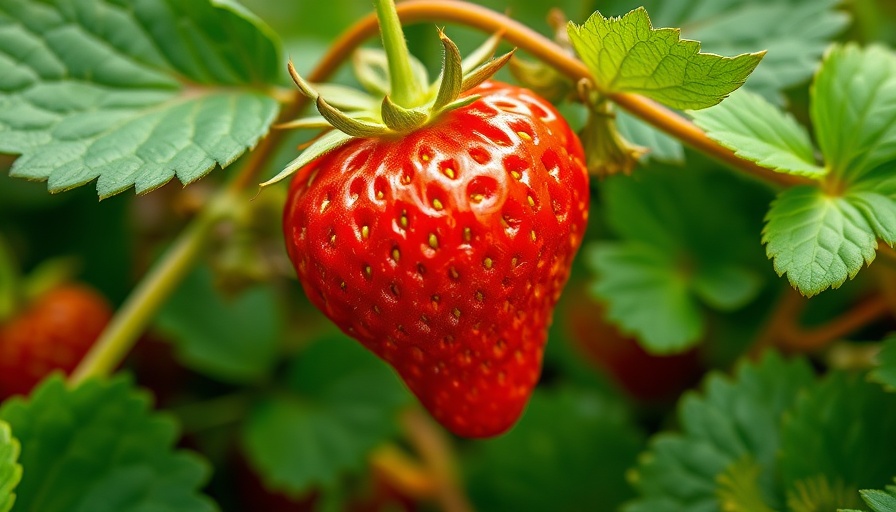
Close-up of vibrant strawberry plant in garden with $20 strawberries.

Exploring the World of $20 Strawberries: A Gardener's Delight

The emergence of the coveted $20 strawberry has caught the attention of gardeners and sweet-toothed enthusiasts everywhere. Developed in Japan, these luxurious strawberries—which can be seen trending on platforms like TikTok—are known for their extraordinary sweetness, perfect texture, and ideal size. With the promise of replicating their cultivation methods at home, it's no wonder that gardeners in the Okanagan and beyond are curious about how to grow these exquisite fruits.

In $20 Strawberries?! The Wild Science of Growing Luxury Berries, the discussion dives into the meticulous process of cultivating these prized fruits, exploring key insights that sparked deeper analysis on our end.

Understanding the Basics: The True Science Behind Luxury Berries

To truly appreciate the allure of these strawberries, one must first understand the meticulous cultivation process developed by the Japanese Horticultural Society. Growing these strawberries—referred to as ame-iro (雨色) strawberries—requires attention to detail that borders on obsessive. Key elements in cultivation include:

  • pH Levels: Achieving a pH level of 6 is crucial for the nutrient uptake that enhances the flavor profile of the fruit. While this might be challenging in traditional garden beds, container or hydroponic gardening allows for better control.
  • Sunlight: Strawberries require 6-8 hours of direct sunlight, found in ideal climates, to flourish. Too much sunlight can lead to dehydration, while too little results in a lack of essential nutrients.
  • Temperature Control: Temperature regulation is essential, with optimal growth occurring between 20°C and 25°C. This not only aids in nutrient absorption but also prevents damage from excess water evaporation, keeping berries lush and flavorful.

The Art of Fertilization: Nourishing Your Berries

The choice of fertilizer plays a significant role in producing top-tier strawberries. In contrast to traditional fertilizers, a synthetic liquid bloom formula is highly recommended for its immediacy in nutrient availability, making it easier to manage within container or hydroponic systems. This allows for a focused approach to feeding the plants, ensuring they receive the right nutrients at the right time.

Water Management: The Key to Success

A constant supply of moisture is integral to cultivating $20 strawberries. A dripper system is often employed to regulate water flow efficiently; this method precludes undesirable root conditions, such as suffocation or drought. Regular monitoring ensures that the plants remain healthy without falling prey to extremes of wet or dry conditions.

Pest Prevention: Maintaining Pristine Fruit Quality

The health of these elite strawberries is paramount, and preventative measures against pests like aphids, spider mites, and fruit flies are strictly enforced. Employing practices such as reflective mulch and scheduled applications of neem oil or insecticidal soap helps safeguard berries from possible damage. Even the slightest blemish can disqualify a strawberry from being deemed worthy of its steep price.

Choosing the Right Berries: A Selective Approach

Pruning is not merely an aesthetic choice in the quest for quality strawberries. Gardeners are advised to selectively prune flowers and immature fruits, redirecting the plant's energy toward the most promising specimens. While it can be tempting to let nature take its course, those aspiring to replicate the Japanese success in strawberry cultivation must embrace the philosophy of quality over quantity.

Growth Beyond Strawberries: Apply These Techniques to Other Fruits

The principles behind growing Japanese strawberry varieties extend well beyond just berries. These guidelines are applicable to a variety of fruits, vegetables, and flowers. With the right environment and obsessive attention to detail, the garden becomes a haven for diverse plant life. For Okanagan gardeners who might be hesitant, this experimentation opens the doors to new flavors and experiences right in their backyards.

If you are excited about taking your gardening skills to the next level, consider utilizing online classes, like those offered by Skillshare. As gardening can sometimes feel overwhelming, the knowledge gained from educational platforms can help enhance your understanding, whether learning about nutrients, pest control, or even personal motivations, like the Japanese concept of ikigai.

Conclusion: The Joy of Growing Your Own $20 Strawberries

The ultimate satisfaction from growing your own luxury strawberries comes not just from the product but from the journey of discovery and mastery. Whether it’s soaking up the necessary sunlight, mastering pH levels, or combating pests, each of these elements provides an avenue for growth—both for plants and the gardener. For those in the Okanagan looking to cultivate their green thumbs, the art of growing $20 strawberries is just a few steps away.

Gardening Tips

1 Views

0 Comments

Write A Comment

*
*
Related Posts All Posts
02.18.2026

Avoid Costly Mistakes When Buying Seeds Online: Essential Tips for Okanagan Gardeners

Update The Risks of Buying Seeds Online: A Cautionary Tale As more gardeners in the Okanagan region turn to online shopping, the potential pitfalls of purchasing seeds through the internet come to light. The increase in convenience and variety can sometimes mask significant risks—and financial losses can be steep. In particular, there’s a cautionary story of a fellow gardener who faced a $500 loss when buying seeds online. This not only highlights the financial implications but also raises questions about quality control and vendor reliability.In 'Buying Seeds Online? Avoid This $500 Mistake,' the discussion dives into the pitfalls of online purchasing, exploring key insights that sparked deeper analysis on our end. Understanding the Landscape of Online Seed Sales Online marketplaces have exploded in popularity, offering an array of choices from local nurseries to international suppliers. However, convenience can lead to choices that may compromise the integrity of what you're purchasing. It’s vital to do thorough research on suppliers, read customer reviews, and verify the sourcing of seeds to ensure they meet quality standards. What Went Wrong: Lessons from an Expensive Mistake In the infamous case of the $500 seed blunder, the gardener purchased from an unfamiliar supplier who promised organic heirloom seeds. After planting, nothing germinated—leaving an empty garden bed and a far lighter wallet. This serves as an important reminder that buying seeds blindly can lead to misfortunes, particularly when the seeds are not what they are advertised to be. Research and Resources to Consider To avoid similar mistakes, it's essential to approach online purchases with diligence. Utilize local gardening groups, forums, and social media to gather information about reliable seed vendors. Websites such as the Seed Savers Exchange offer a wealth of knowledge about heirloom seed varieties and trusted sellers. Familiarizing yourself with these resources can ensure that you receive the best quality seeds for your garden. Building a Community of Informed Gardeners As Okanagan gardeners, the more we share knowledge, the less susceptible we become to online pitfalls. Consider starting a local seed exchange or participating in community gardening events to connect with others who are equally interested in quality gardening. Such connections are invaluable for sharing experiences, which include successes and failures in seed purchases. Local vs Global: Implications for Our Gardens While global seed suppliers offer diversity, they often lack the familiarity and accountability of local sources. By choosing local vendors, you support the economy while also ensuring that the seeds are adapted to the local climate. In turn, this practices sustainable gardening and fosters stronger community ties. Practical Tips for Buying Seeds Online To safeguard your investment, here are several actionable tips: Verify Vendor Credibility: Research the vendor's reputation—look for endorsements from gardening organizations. Check for Certifications: Ensure that seeds are certified organic or come with quality assurance. Start Small: Test the waters by ordering smaller quantities before committing to larger purchases. Read Return Policies: Familiarize yourself with the return and refund policy, in case seeds fail. Engage with the Gardening Community: Join discussions or workshops to expand your knowledge about online purchasing. Adhering to these tips can minimize risks and enhance your overall gardening experience. Emotions Tied to Gardening: Beyond the Plants Gardening taps into our connection with nature, providing solace and satisfaction. However, it can also be a source of frustration, particularly when unexpected setbacks occur, such as seed mishaps. Recognizing the emotional dimensions of gardening can deepen our commitment, encouraging proactive measures and deeper engagement in the community. Conclusion: Taking Charge of Your Seed Buying Experience As we navigate the world of online seed purchasing, we must learn from experiences like the $500 mistake. By sharing knowledge, supporting local vendors, and staying informed, Okanagan gardeners can transform their gardening experiences into positive connections with the earth and their community. If you're interested in exploring the diverse options available for garden seeds without risking costly blunders, do your research, share your insights, and nurture both your garden and the community around you.

02.17.2026

Unlocking the Secrets of the Fastest Tomatoes & Peppers for Early Harvests

Update Maximizing Your Garden's Potential with Fast-Growing Plants For avid gardeners in the Okanagan, the quest for an earlier harvest is always appealing. Efficient gardening practices can significantly alter the timeline of crops, especially for tomatoes and peppers, two staples of backyard gardens. With climate change and shifting weather patterns, understanding how to accelerate growth is essential. This article delves into the exciting strategies that embrace the fastest ripening varieties known to yield earlier results.In The Fastest Tomatoes & Peppers, the discussion dives into innovative gardening techniques that allow for earlier harvests, exploring key insights that sparked deeper analysis on our end. The Right Varieties for Quick Harvests When selecting plants, it's crucial to be aware of the varieties specifically bred for speed. Certain tomato types such as 'Early Girl' can mature in as little as 50 days compared to others that require longer. Similarly, 'Jalapeño M' peppers also boast shorter growing times, making both excellent choices for Okanagan gardens. By sourcing your seeds from trusted suppliers and focusing on early varieties, you put yourself on the path to enjoying your garden bounty earlier. Understanding Growing Conditions Okanagan gardeners know well the significance of environmental conditions. Temperature, sunlight, and soil quality all play a vital role in plant growth rates. Ensuring that your plants receive at least six to eight hours of direct sunlight daily can encourage faster development. Additionally, investing in high-quality soil rich in nutrients like nitrogen can help your plants thrive and expedite their growth cycles. Effective Use of Gardening Techniques Employing gardening techniques such as raised beds or row cover methods can significantly enhance the growing process. Raised beds warm up quicker in the early season, allowing your seeds to germinate sooner. Meanwhile, row covers can protect your young plants from unexpected frosts while retaining heat, further promoting faster growth. These techniques are not just practical; they can change the game for gardeners looking to maximize their yields. Companion Planting for Enhanced Growth Did you know that certain plants grow better alongside others? This principle, known as companion planting, can be an invaluable tool for enhancing the growth rates of your tomatoes and peppers. For instance, growing basil alongside tomatoes is known to deter pests and, in some instances, even improve production rates. Understanding which combinations work best for your garden can yield substantial rewards. Proactive Pest Management Pests can be detrimental to early plant growth. In order to maintain healthy plants that thrive for early harvests, it’s essential to cultivate a proactive approach to pest management. Natural solutions, like introducing beneficial insects or utilizing organic repellents, can keep invasive species at bay without harming the overall ecosystem of the garden. This not only safeguards your plants but ensures that they grow strong and fruit efficiently. Conclusion & Call to Action For Okanagan gardeners eager to optimize their gardens for earlier harvesting, understanding plant varieties, growing conditions, and innovative gardening techniques is vital. By combining these elements, you can increase your yield and enjoy the fruits of your labor long before others. Remember, the journey of gardening should be both enjoyable and fruitful. Join local gardening communities and explore workshops that can enrich your knowledge and further equip you for a successful gardening season!

02.15.2026

Top Tomato Seeds for Cold Climates: Essential Picks for Okanagan Gardeners

Update Understanding Tomato Varieties for Cold Climates For gardeners in regions subject to colder climates, choosing the right tomato seed can mean the difference between a thriving crop and disappointment. The local climate influences which tomato varieties are best suited for growing, particularly in areas like the Okanagan, known for its frosty winters and mild summers. Understanding the attributes of different tomato seeds is crucial for successful gardening.In The BEST Tomato Seed for a Cold Climate ??, the discussion dives into various cold-resistant tomato varieties perfect for cooler gardening zones, exploring key insights that sparked deeper analysis on our end. Why Cold Climate Gardening Matters Gardeners in the Okanagan not only enjoy the beauty of lush landscapes but are also driven by sustainability and food security goals. Growing your own tomatoes not only reduces food miles but also allows for the cultivation of varieties that may not be readily available in stores. Local gardening connects the community and fosters a greater appreciation for seasonal eating. Features of the Best Cold-Tolerant Tomatoes When searching for tomato seeds ideal for colder climates, certain characteristics stand out: Shorter Maturation Times: Varieties such as 'Early Girl' and 'Siberian' are known for their ability to produce fruit in a shorter growing season, allowing gardeners to harvest tomatoes before the first frost. Frost Resistance: Look for hybrid varieties specifically bred to withstand chilly temperatures, ensuring they thrive even in less-than-ideal conditions. Disease Resistance: Developing plants that resist common tomato diseases can add another layer of success, particularly in environments where moisture might be a concern due to fluctuating temperatures. Local Gardening Heroes: Success Stories from the Okanagan Many local gardeners have successfully cultivated tomatoes despite the challenges posed by their environment. Their experiences can inspire and provide practical advice on achieving a bountiful harvest in colder months. Utilizing greenhouses, cold frames, and row covers have been pivotal strategies for gaining a few extra weeks of growth, accommodating tomatoes that need more warmth. Tools for Success in Cold Climates Gardening technology has advanced considerably, enabling Okanagan gardeners to enhance their growing capabilities. Some vital tools include: Thermal Blankets: These can protect young plants from unexpected frosts. Climate-Controlled Greenhouses: For those serious about extending their growing season, investing in a greenhouse with temperature controls can lead to success even in harsh winters. Future Predictions in Cold Climate Gardening As climate change continues to affect growing seasons and weather patterns, gardeners in the Okanagan can anticipate needing to adapt their gardening strategies even further. Knowledge about climate trends, advanced seed genetics, and sustainable practices will empower them to continue producing food regardless of seasonal variability. Innovation in agricultural practices will be crucial for maintaining and improving local gardens throughout the coming years. Final Thoughts: Embrace the Challenge Gardening in a cold climate may come with its challenges, but with the right knowledge and resources, Okanagan gardeners can cultivate thriving vegetable patches, including rich and juicy tomatoes. Understanding the best practices for cold-adapted seeds, integrating protective gardening tools, and learning from fellow gardeners can create a supportive community. Whether you're a hobbyist or seeking new strategies for more substantial gains, this vibrant gardening culture offers much to explore.

Terms of Service

Privacy Policy

Core Modal Title

Sorry, no results found

You Might Find These Articles Interesting

T
Please Check Your Email
We Will Be Following Up Shortly
*
*
*