Add Row
Add Element
cropper
update
Better Living Okanagan
update
Add Element
  • Home
  • Categories
    • Healthy Living
    • Okanagan Life
    • Gardening Tips
    • Community Events
    • Home & Living
    • Modern Economy
    • Technology & Innovation
    • Travel
    • Sustainability
    • Recreation
May 25.2025
3 Minutes Read

What Should You Avoid Putting in Your Raised Beds? Key Tips for Okanagan Gardeners

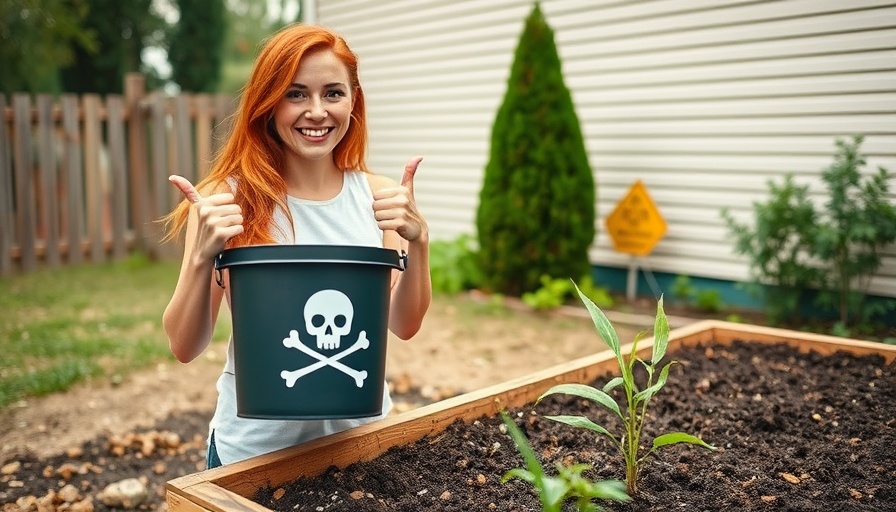
What Not to Put in Raised Beds: Woman pointing at warning bucket.

Understanding the Basics: What Not to Put in Your Raised Beds

Raised gardening beds can be a game-changer for avid gardeners, offering improved drainage, better soil control, and an organized approach to planting. However, they also come with certain pitfalls, especially in what you put inside them. Following advice from experienced gardeners, we’ve identified key substances that you should avoid adding to your raised beds to ensure optimal growth for your plants.

In 'STOP Putting THIS in Raised Beds (It’s Killing Your Plants)', the discussion dives into critical insights that every gardener should know, exploring common mistakes when building raised beds that could jeopardize plant health.

The Dangers of Kitchen Scraps

Kitchens often produce a lot of organic waste, including coffee grounds, banana peels, and eggshells, all of which might seem like a good idea to add directly to your soil. However, this approach can backfire. Kitchen scraps can alter the nitrogen balance critical for healthy plant roots. When these materials decompose, the microbes involved in breaking them down consume nitrogen, leading to nitrogen deficiency that can stifle plant growth. Opting for composted kitchen scraps instead will yield better results, adding essential nutrients without directly affecting soil chemistry.

Why Compost Alone Isn’t Enough

Many gardeners mistakenly believe that using straight compost or manure is sufficient in constructing a raised bed. While compost does bring essential nutrients, relying solely on it can lead to nutritional imbalances and drainage issues. Ideally, a mixture should comprise a blend of 30-50% compost complemented by mineral soil. The composition of the compost varies based on its source, potentially leading to unpredictable results in nutrient availability. Prioritizing high-quality topsoil mixed with compost offers a more balanced structure vital for plant health.

Landscape Fabric: A Misguided Solution

Another common misconception is that laying down landscape fabric at the bottom of your raised bed can prevent soil loss. Unfortunately, this can hinder root growth and restrict access to vital nutrients and water sources from lower soil layers. The fabric can create perched water tables, leading to saturated, anaerobic conditions that can cause root rot. It's crucial to let the soil breathe and encourage microbial interactions. Instead of landscape fabric, tilling the existing soil before building your raised bed allows for better root penetration and water management.

The Right Ingredients for Healthy Raised Beds

Creating an effective raised bed is about finding the right balance among various soil components. High-quality topsoil serves as an excellent backdrop for your gardening efforts, mixing with compost to achieve optimal nutrient levels. Consider adding perlite or pumice to improve aeration and drainage, which are just as vital as nutrients. As you plan your raised bed, remember: it’s about structure, not just nutrients.

Final Thoughts: Tailoring Your Soil for Optimal Growth

As gardeners in the Okanagan, understanding the unique characteristics of our soil and climate is essential for successful planting. Avoiding certain common pitfalls—like adding raw kitchen scraps or relying solely on compost—ensures that your raised beds remain rich, breathable, and biologically active. Acquainting yourself with these potential issues fosters more successful gardening endeavors, ultimately leading to healthier plants and more bountiful harvests.

Take Action: Revamp Your Gardening Practices Today

After digesting the critical insights in this article, it's time to assess your own gardening practices. Look closely at what you’re adding to your raised beds. By avoiding kitchen scraps, straight compost, and landscape fabric, and instead focusing on a balanced mix that encourages soil health, you’re positioning your garden for success. Share your gardening stories and challenges with community members near you to foster shared learning and improvement!

Gardening Tips

1 Views

0 Comments

Write A Comment

*
*
Related Posts All Posts
12.14.2025

STOP Buying Expensive Seed Mixes: What Every Okanagan Gardener Should Know!

Update Why Seed Starting Mixes Are More Than Just Potting Soil Gardening can be an art form, especially when it comes to nurturing seedlings. The common misconception is that seed starting mixes are merely potting soil ground down into finer particles. However, as we dive deeper, we'll unveil the intricate engineering behind seed starting mixes, highlighting why investing in the right mix can significantly influence your gardening success.In STOP Buying Expensive Seed Mixes... Until You Watch This!, the discussion dives into the critical differences between seed starting mixes and potting soils, exploring insights that sparked deeper analysis on our end. Understanding Seed Germination Needs The journey of a seed begins with the germination process, which requires specific conditions to thrive. It’s not just about planting a seed; it involves creating an environment that provides the right balance of water, oxygen, and salt levels. Each of these factors is vital to ensure that seedlings can evolve without the hindrances of uneven moisture levels or harmful nutrients. The Importance of Fiber Composition A premium seed starting mix features finely sifted fibers like coconut coir or peat, which enhances moisture regulation—an essential attribute for seedlings, which are sensitive to drastic changes in their environment. Uniform fiber size allows for even water distribution, preventing dry patches or oversaturation that can inhibit root development. Why Sterility Matters Another critical aspect of seed starting mixes is their sterility, which minimizes the risk of pests and diseases like fungus gnats. Sterile mixes lack organic materials—like compost or mulch—that could feed unwanted organisms, making them ideal for safeguarding your seedlings' early growth. The Role of Wetting Agents and Aeration Wetting agents in premium seed starting mixes serve to decrease hydrophobic tendencies, especially important for hard-to-germinate seeds like hot peppers or petunias. Yet, proper aeration without causing root death is crucial, and that’s why finer grades of perlite or vermiculite are typically preferred in these specialized mixes. Mastering the Nutrient Balance One of the most significant distinctions between seed starting mixes and traditional potting soil is nutrient content. Premium mixes aim for minimal nutrient levels to promote healthy root hair development. This focus allows seedlings to establish a robust root system before being introduced to nutrient-rich potting soil, ensuring a smoother transition and better overall health. Choosing the Right Seeds and Mix Knowing the types of seeds you are working with can influence your choice in seed starting mix. For smaller seeds, a finer mix is often essential, while larger seeds like peas or beans might fare well in coarser options. Thus, understanding your seeds' classification will help you make the most informed decisions possible. Common Misconceptions about Gardening Products A prevalent myth is that all potting soils can function as seed starting mixes. This misconception can lead to poor germination and unsatisfactory growth. Investors in gardening supplies should remain vigilant and informed about the products they're purchasing; not all are created equal. Finding the Right Products Among the many options available, brands like Jiffy premium potting soil have earned a reputation for quality. In contrast, products that include twigs or other large particulates, like certain Miracle-Gro mixes, can be detrimental to seedling health. Choosing the right mix is paramount to nurturing your plants effectively. If you’d like to support your gardening journey, aim for quality seed starting mixes that meet specific germination needs. With the right tools and knowledge, you can empower your garden to flourish beautifully. Your choice of seed starting mix can make all the difference from the moment those tiny seeds meet the soil.

12.12.2025

Discover the Joy of Gardening with Burpee's Seed Catalog

Update From Seed to Table: The Magic of Burpee's Offerings For avid gardeners and those new to cultivating their green spaces alike, Burpee’s catalog is a treasure trove filled with essential seeds, plants, and supplies. The excitement of flipping through each meticulously arranged page evokes feelings of anticipation for the upcoming planting season. In this digital age, where everything seems to be just a click away, the tactile experience of holding a physical catalog allows garden enthusiasts to actively engage with their gardening aspirations.The video 'Printing the Burpee Catalog' highlights the essentials of gardening, exploring key insights that sparked deeper analysis on our end. Connecting with Nature and Community Burpee's offerings do more than just provide seeds; they serve as a bridge to the refreshing sense of community that gardening fosters. Sharing gardening tips, bounty, and experiences with neighbors and family nurtures relationships and deepens our connection with nature. This enhances our living spaces and contributes to the overall wellness of our communities. A Peek into the Future: Gardening Trends to Watch As we delve into gardening’s future, trends like vertical gardening, home-based hydroponics, and sustainable practices are emerging. These innovations are not bound by geographic location; they provide options for city dwellers and rural gardeners alike. With Burpee's commitment to sustainability, they are staying ahead, offering seeds that adapt to changing climates and consumer preferences. Myth vs. Reality: Common Misconceptions About Gardening There are several myths surrounding gardening that often deter potential green thumbs. One prevalent notion is that gardening requires extensive knowledge and skill, but in reality, it’s a journey of trial and error. Whether you’re nurturing a doorstep herb garden or a sprawling vegetable patch, the key is to enjoy the process, ask for advice, and experiment. Burpee simplifies this journey by providing thorough planting guides and customer support. The Tools of the Trade: Essential Gardening Supplies Alongside the variety of seeds that Burpee offers, having the right tools can make all the difference. High-quality soil, mulch, hand tools, and watering cans are not mere accessories but vital elements that support the growth of your garden. A well-equipped gardener is better positioned to face challenges, such as drought or pest control, even in unpredictable weather conditions. Investing Time in Your Garden: The Personal Benefits Engaging with your garden offers more benefits than just a vibrant space or fresh produce. The act of gardening fosters a sense of accomplishment and serenity. It can significantly boost mental health, reduce stress, and encourage physical activity. As home gardeners, investing time in our plots can yield both tangible harvests and intangible rewards. Your Path to a Flourishing Garden As we consider all the planning and pizzazz of gardening, it’s essential to take actionable steps toward establishing a flourishing landscape. Starting small, learning from resources such as catalogs or community groups, and being adaptable to feedback can lead to eventual growth, not just in plants but in knowledge and skills. The Final Thought: A Call to Dig In Burpee’s catalog isn't just a list of products; it’s an invitation to cultivate your relationship with nature, your community, and yourself. So, as you prepare for the planting season, consider finding your local Burpee catalog, explore its pages, and let the adventure of gardening begin in your backyard. This year, why not commit to growing something new and share your gardening journey with others?

12.11.2025

What Every Okanagan Gardener Needs to Know About Potting Mixes

Update Understanding the Hidden Ingredients in Your Potting Mix When picking up a bag of potting mix, Okanagan gardeners might find themselves puzzled by the ingredients listed. In the recent video, Before You PANIC About Potting Mix… Watch This First!, the discussion unravels concerns around the prevalence of forest byproducts in many potting soils, particularly brands like Miracle Grow. But what does this mean for your plants, and why is it a point of contention for many gardeners?In Before You PANIC About Potting Mix… Watch This First!, the discussion dives into potting soil quality, exploring key insights that sparked deeper analysis on our end. The Rise of Cost-Effective Ingredients Recent conversations sparked by influential figures in the gardening world have exposed a shift in the potting soil industry. Many potting soils are using wood residues—such as bark, twigs, and ground wood fibers—as primary ingredients. While this practice lowers costs, it also raises questions about the nutrient quality of these mixes. For novice gardeners, the thought of using cheaper products may seem appealing, but one needs to understand that these materials decompose differently and could impact plant growth significantly. Why Forest Byproducts? A Cost-Benefit Analysis One major rationale behind the inclusion of forest byproducts is financial. The rising costs of peat moss—a traditional ingredient in potting mixes—have compelling manufacturers to look for alternatives. However, wood products come with their own set of concerns. These materials often have distinct characteristics that can impact the growing medium’s moisture retention and nutrient availability. For example, wood chips can make potting soil hydrophobic, leading to issues with water absorption that can affect seedlings' survival. The Impact on Plant Performance It’s important for gardeners to understand that the quality of their potting mix has a direct correlation to plant health. The lack of nutrient-rich ingredients can stunt growth and lead to a 'powerless' garden where plants struggle to thrive. Okanagan gardeners may find that premium potting mixes—though more expensive—offer a healthier environment for plant growth, free from the hidden challenges that forest products pose. How to Identify Quality Potting Soil So, how can you determine if the potting mix is up to par? A solid method is to conduct a simple visual and sensory check. Observe the soil's texture—does it feel heavy with wood residues? Also, give it a sniff—does it smell earthy or more like wood? If you're buying in bulk, be sure to assess every bag for consistency, visual quality, and the presence of unwanted materials. Potential Solutions for Concerned Gardeners If you find yourself using a wood-heavy potting mix, don’t panic! There are steps you can take to improve outcomes. Consider adding fertilizers with high nitrogen content to offset any deficiency caused by the wood products. This ensures that your plants have the nutrients they need to grow strong and healthy despite the challenges presented by lower-quality mixes. The Industry's Perspective: A Word of Caution It’s essential to acknowledge the potting soil manufacturers' point of view. These companies are not simply aiming to deceive consumers. They are navigating a market that demands affordability while balancing sustainable practices. By shifting toward forest byproducts, they aim to reduce their environmental impact associated with peat harvesting. Final Thoughts: Empower Yourself with Knowledge Gardening is not just about planting; it’s about making informed choices. As you prepare for planting season, understand that many potting mixes on the market carry ingredients that can significantly affect plant health. Familiarizing yourself with the various potting soil options and knowing how to assess their quality will empower you to make the best choices for your Okanagan garden. If you’re curious about how these insights can shape your gardening practices, be proactive! Research various mixes, engage with local gardening communities, and share your experiences. You can elevate your gardening game by tackling potting mix concerns with knowledge.

Terms of Service

Privacy Policy

Core Modal Title

Sorry, no results found

You Might Find These Articles Interesting

T
Please Check Your Email
We Will Be Following Up Shortly
*
*
*